
Cold-Weather Hair Care in Green Bay: Simple Changes for Fall and Winter
Posted 2 days ago on - Aveda, Hair Care, How-tos, Salon
You take off your sweater, and suddenly your hair is full of static. Your ends feel rougher than they did a few weeks ago. Or the blowout that usually lasts a few days seems harder to maintain.
As fall turns into winter in Green Bay, colder outdoor air, lower humidity, indoor heating, and everyday friction from hats and scarves can change how your hair looks and feels.
But the answer isn’t necessarily a richer shampoo, another hair mask, or an entirely new routine.
The better approach is to identify what’s actually changed and adjust the steps that matter.
Whether you’re dealing with static, dry-feeling ends, frizz, or hair that’s becoming harder to style, here’s how to make cold-weather hair care simpler and more effective.
First, What Is Your Hair Actually Doing?
Before changing products, look at when the problem happens and which parts of your hair are affected.
Static after removing a sweater or hat? You may be dealing with friction and dry air rather than damaged hair.
Rough ends but oily roots? Your lengths may need better conditioning, while your scalp still needs its usual cleansing routine.
Frizz or lost curl definition? The issue may involve styling technique, product distribution, or hold rather than moisture alone.
Hair that breaks or snaps easily? Repeated heat styling, lightening, or mechanical damage may be contributing.
Hair that feels heavy or coated? Adding more moisturizing products could make it less manageable.
These concerns can look similar in the mirror, but they don’t always need the same solution.
Why Does Hair Get More Static in Cold Weather?
Static is especially noticeable during colder months because dry air makes it easier for electrical charges to build up.
Friction from sweaters, scarves, hats, and brushing can make individual strands stand up or cling to clothing.
It’s frustrating, especially when your hair looked perfectly smooth before you left the house.
What actually helps reduce static?
Start with your conditioning routine.
Conditioner helps smooth the hair surface, reduce friction, and make hair easier to manage. If the ends feel rough or tangle easily, they may benefit from additional conditioning.
A lightweight leave-in product can also help, particularly when applied evenly to damp hair before styling.
If your hair is fine, start with a small amount through the mid-lengths and ends. Applying too much near the roots may leave your hair flat.
For thicker, curly, or more textured hair, applying leave-in care in sections can help ensure the product reaches the areas that need it.
What if static appears halfway through the day?
If your hair is already dry and styled, try gently smoothing the flyaways with your hands or a very small amount of a finishing product intended for dry hair.
You don’t need to brush your entire head again or reach for a flat iron.
If static keeps returning, consider what is creating friction. Sometimes adjusting how you wear a scarf or handle your hair under a hat can help as much as adding more product.
Is static the same as frizz?
Not exactly.
Static often appears as individual strands lifting or clinging because of electrical charge.
Frizz is a broader change in smoothness or definition and may relate to natural texture, humidity, dryness, damage, or styling habits.
If your hair is frizzy rather than static, adding more moisture isn’t automatically the answer. Your routine may need a different styling technique or better hold.
Should You Wash Your Hair Less in Winter?
Not necessarily.
One common assumption is that washing less often will automatically make hair healthier during cold weather.
But your scalp and your ends don’t always need the same thing.
You can have an oily scalp while the lengths of your hair feel dry. Delaying shampoo indefinitely won’t necessarily solve the dryness in your ends.
Instead, keep your washing schedule based on how your scalp feels and how quickly it becomes oily or dirty.
Focus shampoo where it’s needed
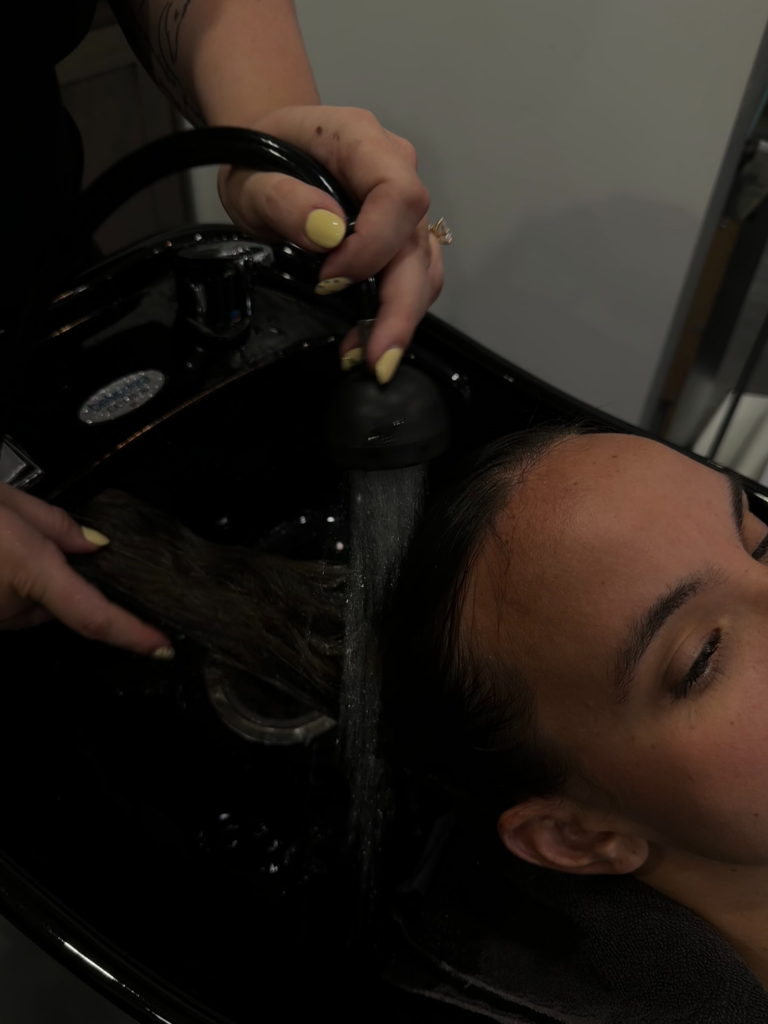
When washing, concentrate shampoo on the scalp, where oil and product buildup accumulate.
Massage gently and avoid aggressively rubbing the lengths together.
As you rinse, the shampoo can help cleanse the rest of the hair without unnecessary friction.
If your hair is already difficult to manage, very hot water and rough handling may add to the discomfort. Use a comfortable water temperature and treat the hair gently.
Let conditioner do its job
If your ends feel dry but your roots become oily quickly, focus conditioner on the mid-lengths and ends.
For thicker, curly, or particularly dry hair, more complete conditioning throughout the lengths may be helpful.
If you struggle with tangles, distribute conditioner carefully and detangle in a way that suits your texture.
The goal isn’t to use as much conditioner as possible. It’s to make sure the sections that need it are getting appropriate care.
A useful test: After your hair dries, notice whether it feels softer and easier to manage without becoming heavy.
If the ends still feel rough, you may need more conditioning support. If your hair looks flat or coated, consider using less product or a lighter formula.
When Does Your Hair Need More Moisture—and When Might It Need Repair?
This distinction matters throughout the year, not just in winter.
Hair that feels dry and hair that has experienced damage can both look dull, rough, or difficult to manage.
But they aren’t necessarily the same concern.
When moisture-focused care may help
If your main concerns are softness, tangling, rough-feeling ends, or everyday manageability, moisture-focused conditioning may help.
Aveda’s Nutriplenish collection is one example of this approach. Its Light Moisture and Deep Moisture formulas provide different levels of conditioning for different hair needs.
Fine hair may feel better with lighter hydration, while thicker or coarser hair may benefit from richer formulas.
But even if a product is designed for dry hair, that doesn’t mean it is automatically right for every person experiencing dryness.
When strengthening care may be worth considering
If your hair breaks easily, has experienced repeated lightening or chemical services, or feels increasingly fragile after heat styling, the conversation may need to go beyond moisture.
Aveda’s Botanical Repair collection is an example of strengthening-focused care designed to support hair damaged by chemical, mechanical, or heat-related stress.
However, no conditioner or treatment can permanently reconnect split ends or undo every form of damage.
Sometimes a haircut or a change in styling habits is just as important as the products you use.
Can you need both?
Yes.
For example, highlighted hair may benefit from strengthening support while also needing conditioning to help the lengths feel softer and easier to detangle.
That doesn’t mean you need to use two entire product collections.
Your stylist can help you determine which concern to prioritize and whether a smaller adjustment is enough.
The question isn’t simply “Do I need moisture or repair?” It’s “What is happening to my hair, and what would actually help?”
Does Leave-In Conditioner Make a Difference in Winter?
For some hair types, yes—especially when static, tangling, and manageability become more noticeable.
The important part is choosing a leave-in that serves a purpose and applying it correctly.
Aveda One For All Leave-In Elixir is one example of a multifunctional product designed to support hydration, detangling, static control, smoothing, and heat protection.
Its application is straightforward: shake well, apply to damp hair, leave it in, and style.
But the amount and placement still matter.
If you have fine hair, begin with a light application through the mid-lengths and ends.
If your hair is thick, curly, or dense, working in sections may help distribute it more evenly.
If your current leave-in already makes your hair manageable and provides the protection your routine needs, you may not need to add anything else.
For more information on using this product, explore our Aveda One For All Leave-In Elixir guide.
How Should You Adjust Blow-Drying and Heat Styling?
Colder weather can change your styling habits.
Maybe you air-dried more often in summer but now prefer to blow-dry before leaving home. Or your hair becomes flattened by a hat, so you find yourself restyling it more frequently.
Those additional styling sessions can matter, especially if you’re already working with lightened or fragile hair.
For more on how warmer weather affects styling, color, and texture, explore our summer hair-care guide
Before blow-drying
After washing, gently squeeze excess water from your hair rather than rubbing it vigorously with a towel.
Apply your leave-in or heat-protection product according to its instructions.
If you use a blow-dryer, choose an effective lower heat setting and avoid concentrating high heat on one section for too long.
Working in manageable sections can help you style more deliberately instead of repeatedly going over the same areas.
When using a curling iron or flat iron
Conventional hot irons should be used on completely dry hair.
Apply a heat protectant suitable for the tool and follow its directions. Not all products are intended to be applied at the same stage of styling.
You also don’t need to use the highest temperature simply because you want your style to last.
Fine, fragile, and previously lightened hair may benefit from a more cautious approach.
And if only a few pieces around your face have lost their shape, consider restyling those sections instead of your entire head.
Our morning hair routine guide explains how to decide whether you need to wash, refresh, or restyle rather than starting over every morning.
How to Make Your Hair Routine Work With Hats, Scarves, and Sweaters
Cold-weather clothing can introduce a few styling challenges of its own.
A hat may flatten your roots. A scarf can create friction around the nape of your neck. A sweater may leave your hair full of static as soon as you take it off.
You don’t necessarily need different products for every situation.
If your roots become flat under a hat
Make sure your hair is fully dry before wearing the hat.
When you remove it, use your fingers to gently lift the roots before reaching for a brush or heat tool.
If volume is a recurring concern, ask your stylist whether your haircut, product placement, or blow-drying technique could help.
If your hair tangles around scarves and collars
Try keeping longer hair in a loose braid or comfortable low style when wearing clothing that creates repeated friction.
Avoid pulling tightly on the hair, especially around fragile sections.
When you take your hair down, detangle gently rather than pulling a brush through knots.
If your curls lose their shape
Instead of dry-brushing your entire head, focus on the sections that need refreshing.
Depending on your curl pattern and existing styling products, a little water, gentle reshaping, and allowing the hair to dry may be enough.
If the hair already feels coated, adding more cream may make it heavier without improving definition.
Preparing Your Hair for Holiday Styling
As Thanksgiving, holiday gatherings, and end-of-year celebrations approach, you may be planning more blowouts, curls, updos, or polished everyday styles.
The goal shouldn’t be to make your hair endure several rounds of unnecessary heat just to maintain the look.
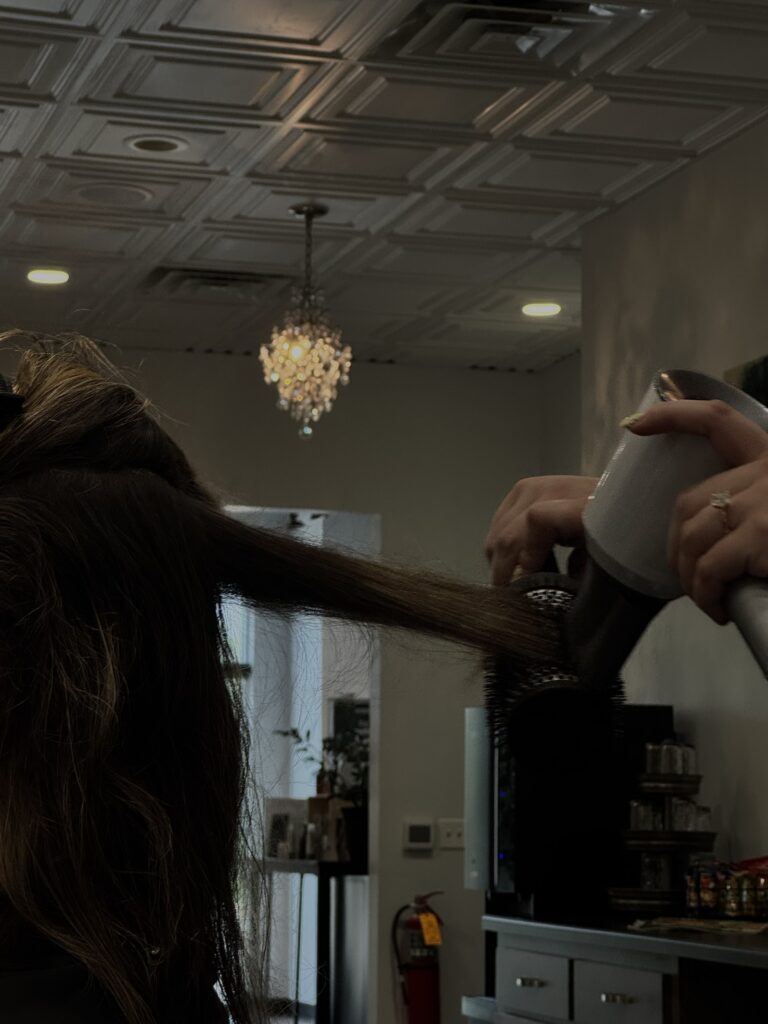
Planning a holiday gathering or special occasion? Savoye offers Blowout Styles, using round-brush techniques for softness, volume, and light curl, as well as Formal Styles for more customized looks, including curls and pinned styles. Blowouts are available through online booking, while formal styling requests can be discussed with the team to ensure the right service and appointment time.
Before your holiday style
Think about how you want to wear your hair and what preparation it actually needs.
If you’re planning curls or a blowout, choose a washing and conditioning routine that leaves your hair clean, manageable, and suited to the style.
Apply appropriate heat protection before using hot tools, following the product’s instructions.
Avoid adding multiple products that perform the same job unless your hair actually needs them.
During styling
Work in sections so you can control the result without repeatedly restyling the same pieces.
Choose suitable heat settings, and allow heated curls to cool before brushing or separating them.
If you’re creating an updo, keep the style secure without unnecessary tension around the hairline.
Making the style last
The next morning, look at what’s still working before deciding what needs attention.
Maybe the overall shape is still beautiful and only a few pieces need a refresh.
Maybe the roots need a little volume, but the lengths are fine.
Treat those as separate concerns rather than automatically washing and restyling everything.
After the event
If you’ve used more hairspray or styling products than usual, return to an appropriate cleansing and conditioning routine.
Detangle carefully, particularly if you’ve worn pins, braids, or an updo.
You don’t need to use a stronger treatment simply because you styled your hair for an event.
And if you’re planning a professional holiday blowout or style, discussing your desired result with your stylist ahead of time can help you choose an appointment that makes sense for the look.
Three Common Cold-Weather Hair Situations
Sometimes the easiest way to understand your routine is to see how the advice applies to real situations.
1. Your roots are oily, but your ends are static
Keep washing your scalp according to its needs.
Focus conditioning through the lengths and ends, and consider a light leave-in product on damp hair.
Avoid automatically applying heavy oil near your roots to control a few flyaways.
What to change first: Product placement, not your entire cleansing routine.
2. Your curls look good on wash day but lose definition under winter clothing
Make sure your hair is properly conditioned and your styling products are distributed evenly.
Consider whether you need better hold rather than another moisturizing cream.
Refresh the affected curls instead of dry-brushing the entire head.
What to change first: Your styling and refresh technique.
3. Your highlighted ends feel rough and break easily
Pay attention to conditioning, but also consider your hair’s service history and heat-styling habits.
Use suitable protection, reduce unnecessary hot-tool passes, and avoid aggressive detangling.
If breakage continues, ask your stylist whether strengthening care or a haircut would be appropriate.
What to change first: Reduce avoidable damage and discuss the hair’s condition rather than only adding more moisture.
If you’re also noticing changes in your color’s tone or shine, our guide to keeping hair color fresh between salon visits explains when home care may help and when to discuss a professional refresh.
Cold-Weather Hair Care FAQs
Why does my hair feel drier in winter?
Lower humidity, indoor heating, changes in styling habits, and friction can all influence how hair feels. However, dry-feeling hair can also reflect its texture, condition, previous services, or current products.
Can I use hair oil to stop static?
An appropriate finishing product may help smooth flyaways, but oil isn’t always the best choice, especially for fine hair that becomes weighed down easily. Conditioning and reducing friction are useful places to start.
Do I need a hair mask every week in winter?
Not necessarily. Some hair benefits from periodic deeper conditioning, while other hair does well with its usual conditioner and leave-in care. Choose the treatment and frequency based on how your hair responds.
Should I stop using heat tools during winter?
You don’t necessarily need to stop heat styling, but reducing excessive heat and unnecessary repetition can help limit damage. Use appropriate heat protection and tool temperatures.
Is winter dryness the same as hair damage?
No. Hair can feel dry without having significant structural damage, and damaged hair can also feel dry. Breakage, split ends, and previous chemical or heat exposure are useful factors to discuss with your stylist.
What if my scalp is dry or flaky?
A flaky or itchy scalp isn’t necessarily the same as dry hair. Product buildup, scalp conditions, and other factors can contribute. If symptoms are persistent, painful, or worsening, a dermatologist can help assess the cause.
A Better Winter Hair Routine Starts With Small Changes
Your hair doesn’t need to follow an entirely different set of rules every time the weather changes.
Sometimes it needs better conditioning through the ends. Sometimes a lighter leave-in can help with static. Sometimes the biggest improvement comes from reducing unnecessary heat or changing how you handle your hair under winter clothing.
And sometimes your current routine is already doing exactly what it should.
At Savoye Salon Spa in Green Bay, your stylist can help you understand how your hair’s texture, condition, color history, and everyday habits influence what works best.
The goal isn’t to make hair care more complicated.
It’s to help you feel confident knowing what your hair actually needs—and what you can leave out.
If your routine isn’t working the way it used to, ask your Savoye stylist what they would adjust first.