
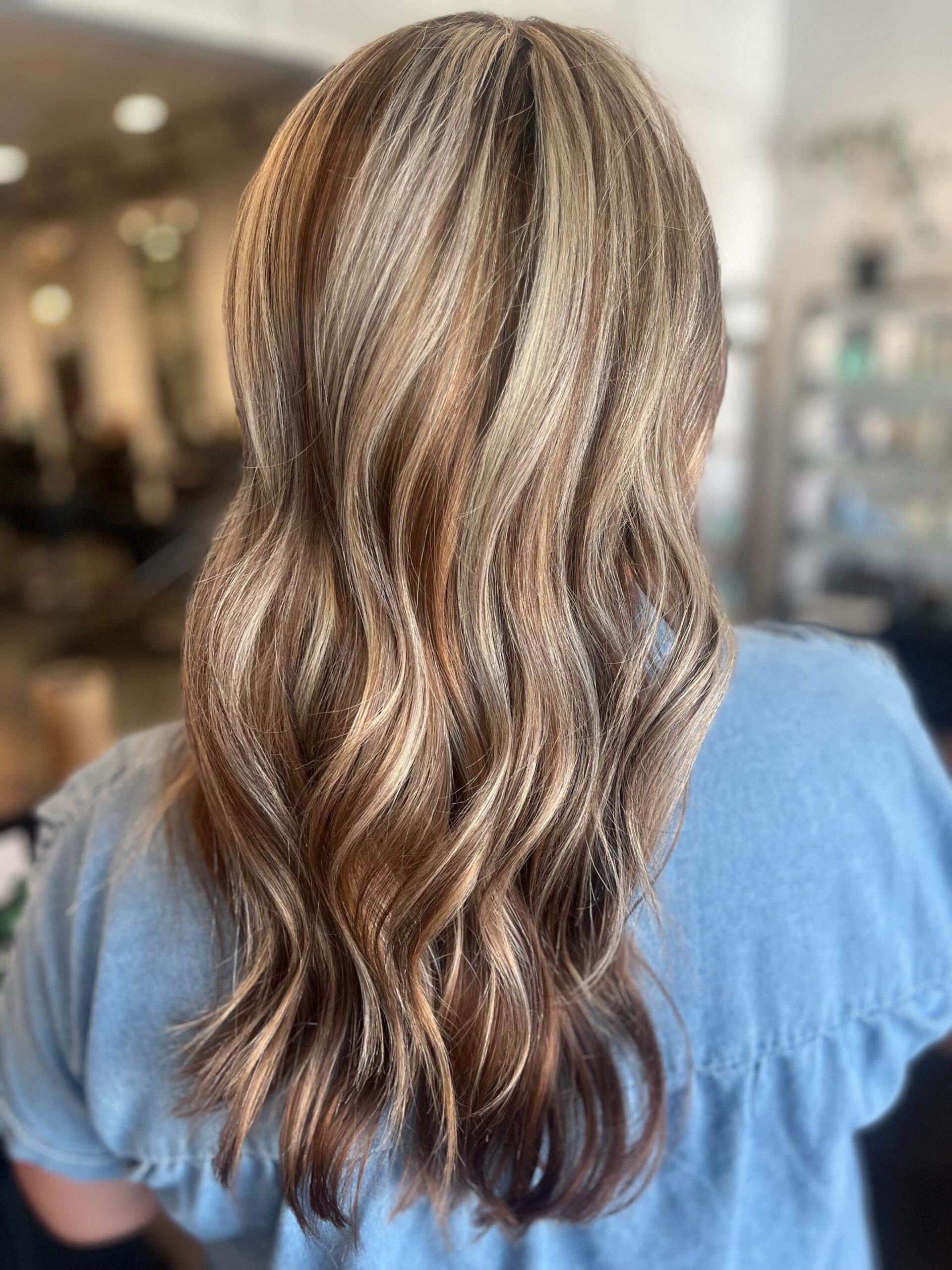
Balayage vs. Highlights: Which Is Right for Your Hair?
Posted 4 weeks ago on - How-tos, Salon
Balayage vs. Highlights: Which Is Right for Your Hair?
You save one photo because you love the brightness around the face. Another catches your eye because the color looks soft and dimensional. A third has exactly the kind of grow-out you would want.
But then comes the question:
Is that balayage or highlights—and which one should you actually ask for?
The answer is not always as obvious as it looks.
Balayage and highlights can both add brightness, dimension, and movement to the hair. Depending on the placement and finished tone, the results can even look similar.
The more useful question is not simply, Which technique is better?
It is:
Where do you want the brightness? How blended do you want the grow-out to feel? What is already on your hair? And how much maintenance fits your life?
Those answers give your stylist much more useful information than choosing a technique based only on its name.
THE SAVOYE EXTRA
Did You Spot the Hair Myth?
The myth is A: “Balayage always means going blonde.”
Balayage is a freehand color-placement technique, not a shade. It can create soft caramel ribbons, subtle brunette dimension, brighter blonde pieces, and plenty in between. The result depends on your starting color, placement, and the look you want.
B is true: Highlights can look soft and blended.
Fine sections and thoughtful placement can create subtle brightness without bold contrast.
C is true: Your previous color can affect your next color appointment.
Past color—even when it looks faded—can influence how your hair lightens and what may be realistic during your next visit.
Whether you guessed correctly or learned something new, keep reading to see how brightness, grow-out, maintenance, hair history, and budget can help shape your color plan.
What’s the difference between balayage and highlights?
The simplest difference is how and where the lighter pieces are created.
Traditional highlights
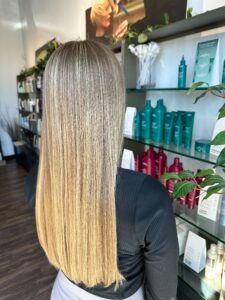
Classic highlights usually involve selecting sections of hair and lightening them in foils. This gives the stylist a great deal of control over placement and can create brightness beginning relatively close to the scalp.
Highlights can be:
- Fine and subtle
- Bright and noticeable
- Concentrated around the face
- Distributed throughout the entire head
- Softly blended or higher contrast
So “highlights” does not automatically mean obvious stripes.
Modern foil placement can create very blended, dimensional results.
Balayage
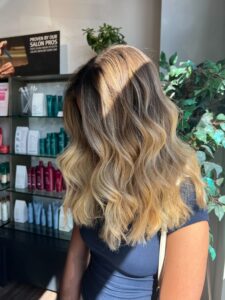
Balayage is a more freehand approach in which the stylist paints selected areas of the hair to create customized dimension.
It is often used to preserve more natural depth near the root while gradually increasing brightness through selected mid-lengths and ends.
Professional color education describes balayage as a hand-painted highlighting technique that can be adapted to many base colors, hair lengths, and textures.
But there is an important point that gets lost in many balayage-versus-highlights articles:
Balayage is a technique. “Bright,” “natural,” “blonde,” and “dimensional” are results.
A balayage can be very bright.
Foil highlights can look extremely soft and natural.
And sometimes the best result involves more than one technique.
Foilyage, for example, combines freehand placement with foil processing when additional lift is desired.
That is why the inspiration photo often matters more than knowing the correct salon terminology.
Balayage vs. highlights at a glance
| If you want… | You may lean toward… |
|---|---|
| Brightness beginning closer to the root | Highlights |
| A softer transition from your natural root | Balayage |
| More consistent brightness throughout | Highlights |
| Dimension with more natural depth left between pieces | Balayage |
| A very customized face frame | Either |
| Softer-looking grow-out | Often balayage |
| A dramatic blonde transformation | Depends on your starting point |
| The lowest-maintenance option for your hair | Ask during consultation |
The important phrase here is “may lean toward.”
Your starting color, previous services, condition, density, texture, desired tone, and maintenance expectations can change the recommendation.
How do balayage and highlights affect brightness?
This is where the difference becomes much more useful than simply talking about foils versus painting.
Highlights can create brightness closer to the scalp
If you love feeling noticeably brighter from the root down, traditional highlights may give your stylist more control over creating that effect.
They can also be useful when the goal is:
- More consistent lightness
- Brightness throughout the head
- Fine pieces distributed from root to ends
- A stronger blonde result near the scalp
- Strategic brightness around the face
But highlights do not have to make the entire head uniformly blonde.
Your stylist can adjust the number of foils, section size, placement, tone, and depth left between highlights.
Balayage often preserves more depth
Balayage commonly creates a softer transition from the natural root into lighter areas.
That can make it especially appealing if you like:
- A lived-in effect
- Visible dimension
- Natural depth near the scalp
- Brightness concentrated through selected areas
- A less defined line as the hair grows
Balayage placement is highly customizable. Professional guidance notes that placement closer to the root produces a different maintenance experience than balayage beginning farther down the hair.
So even within “balayage,” two guests can receive very different results.
How does the grow-out differ?
This may actually be more important than how the color looks on appointment day.
Highlights
When lighter pieces begin close to your natural root, the contrast can become more noticeable as your hair grows.
How noticeable depends on:
- How light the highlights are
- Your natural base color
- The amount of contrast
- How fine or bold the pieces are
- Whether your stylist uses a root shadow or other blending technique
- How polished you prefer your color to look between visits
Highlights commonly need refreshing sooner than softer freehand placements, although there is no single maintenance schedule that fits everyone. Professional guidance generally puts classic foil maintenance more frequently than balayage because the regrowth is more visible.
Balayage
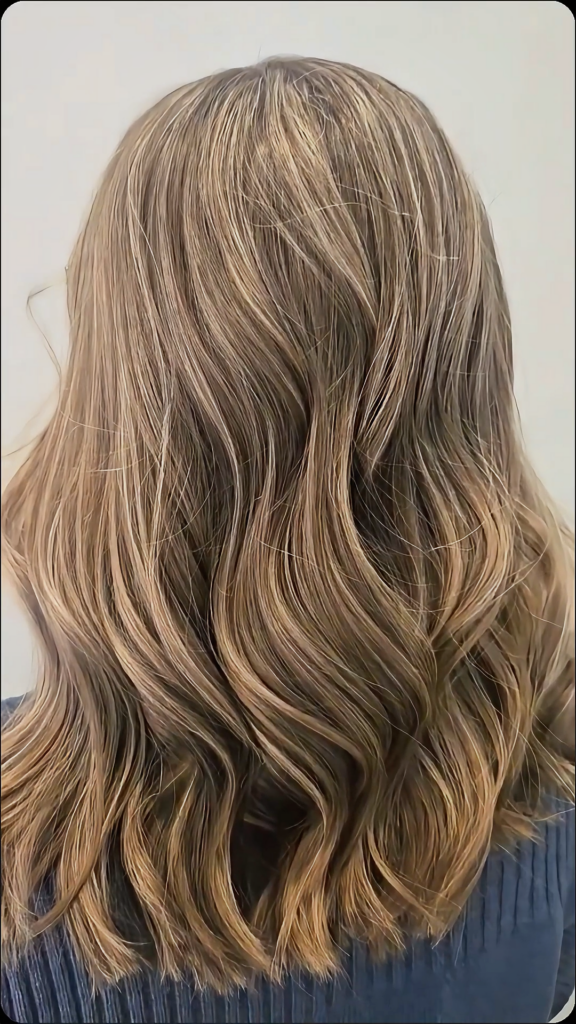
Balayage often leaves a softer transition at the root, which can make regrowth feel less defined.
But that does not mean:
“Get balayage once and forget about it.”
The lightened hair remains, but tone can change. Your stylist may recommend glosses, toners, trims, treatments, face-frame refreshes, or partial color appointments between larger balayage services.
Even balayage placed relatively close to the root may require more frequent refreshing than a very low, lived-in placement.
The better question to ask is:
What will this color look like eight or twelve weeks from now—and what will I need to do then?
What upkeep should you discuss with your stylist?
Before committing to either technique, talk about the maintenance plan—not only the first appointment.
Useful questions include:
- How often would you expect me to come back?
- Will I need a full color service every time?
- Could some appointments just refresh the face frame or tone?
- Will my color need glossing or toning between larger appointments?
- What happens if I wait longer between visits?
- What home care matters most for this result?
- How will the color change as it grows?
- How much heat styling or maintenance will the finished look require?
At Savoye in Green Bay, your color consultation is a chance to talk through the look you want, your hair history, and the time and budget you’re comfortable committing to upkeep.
There is no prize for choosing the service that supposedly requires the fewest appointments.
The goal is choosing a result whose upkeep you are actually comfortable maintaining.
Your current color can change the answer
Two guests can bring in the same inspiration photo and need completely different plans.
One may have untreated brunette hair.
Another may already have several rounds of highlights.
Another may have dark permanent color underneath the current shade.
Those starting points matter.
Hair that has already been colored does not always lighten the same way as untreated hair, and significant color changes may require more than one appointment rather than forcing the entire transformation into one session. Professional colorists specifically emphasize sharing your complete color history during the consultation for this reason.
Tell your stylist about previous:
- Permanent or demi-permanent color
- Highlights or balayage
- At-home color
- Lightening
- Corrective color
- Smoothing or chemical services
Even color that seems “gone” because it has faded may still matter when planning a new lightening service.
A useful way to think about it is:
Your inspiration photo shows where you want to go. Your hair history helps determine the safest and most realistic route to get there.
Hair condition matters too
The question is not only whether balayage or highlights would look good.
Your stylist also has to consider what your hair can reasonably support.
Lightening changes the hair, regardless of whether the placement is called balayage or highlights.
If the hair is already fragile, highly processed, or compromised from previous services, the best plan may involve:
- Less lightening in one appointment
- More time between major services
- A different placement strategy
- Adjusting the desired level of brightness
- Improving condition before pursuing a larger transformation
That is another reason an inspiration photo cannot determine the appointment by itself.
The goal is not simply getting the hair lighter.
It is creating a result that makes sense for the hair you actually have.
How does budget affect balayage vs. highlights?
Budget deserves to be part of the consultation.
Not because you have to choose the cheapest service—but because your color should be realistic to maintain.
The cost of either service can change based on:
- Hair length
- Density
- Amount of product required
- Current color
- Desired level of lightness
- Number of sessions required
- Placement
- Toner or gloss needs
- Additional treatments
- Future maintenance appointments
At Savoye, balayage is currently consultation-priced because the desired look, hair length, and thickness influence the service plan. Highlights are listed separately on the color menu, with consultation also recommended for color services.
Instead of asking only:
“How much will today’s appointment cost?”
also ask:
“What would maintaining this result realistically look like over the next six months?”
A color you love but cannot comfortably maintain may not be the right plan.
Sometimes a stylist can modify the placement or brightness to create a result that works better with both your desired look and your maintenance budget.
That is useful personalization—not settling.
Can balayage and highlights be combined?
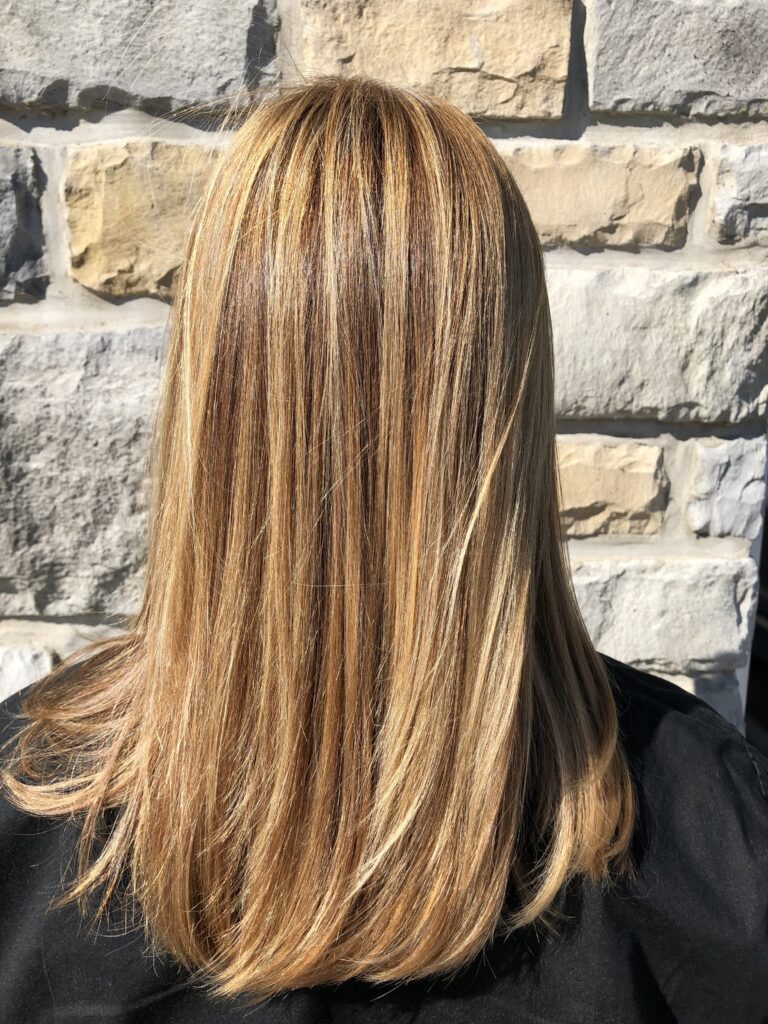
Yes—and this is another reason the choice is not always binary.
A stylist may want more controlled brightness in one area and a softer transition somewhere else.
For example, your plan might involve:
- Brighter pieces around the face
- More blended dimension toward the back
- Foils where additional lift is useful
- Freehand placement where softness is the priority
- Tonal work to connect everything at the end
Techniques are tools.
The finished result matters more than being able to label every foil or painted section.
What should you bring to a color consultation?
You do not need to arrive knowing salon vocabulary.
A little preparation, however, can make the conversation much more useful.
Bring two or three inspiration photos
Photos give you and your stylist something concrete to discuss. Professional colorists consistently recommend them because terms such as “natural,” “bright,” or “subtle” can mean very different things to different people.
Try to choose photos where you can explain what you like.
Maybe it is:
- The brightness around the face
- The amount of natural root
- The contrast
- The tone
- The dimension
- The overall lightness
Bring a photo of what you don’t want, too
This can be surprisingly helpful.
Maybe you do not want:
- Brightness directly at your root
- High contrast
- Very warm blonde
- A heavily blended result
- Dark pieces left through the ends
Explaining what you dislike can make the goal much clearer.
Be ready to explain your hair history
Tell your stylist what has been done previously—even if it was months ago.
If you know the approximate timing or products used, share that too.
Know what maintenance feels realistic
Ask yourself before the consultation:
- How often am I realistically willing to return?
- Do I enjoy regular salon maintenance?
- Would I rather have a softer grow-out?
- Do I mind seeing my natural root?
- Am I comfortable with gloss or toner appointments between bigger services?
Be open about budget
You do not need to be uncomfortable talking about it.
A budget gives your stylist another useful constraint for designing the plan.
The better question is not:
“What can I get for X dollars?”
It is:
“This is the result I love and this is the maintenance budget I’m comfortable with. What version of this makes sense for me?”
That gives the stylist room to recommend something realistic.
So, is balayage or highlights better?
Neither.
Balayage is not automatically better because it can have a softer grow-out.
Highlights are not automatically better because they can create more brightness near the root.
The better choice depends on:
- Where you want the brightness
- How much natural depth you want to keep
- Your current hair color
- Previous color and lightening
- Hair condition
- Desired tone
- How often you want to maintain it
- Your budget
- What your stylist determines is realistic
Sometimes the answer will clearly be balayage.
Sometimes it will clearly be highlights.
And sometimes the best plan will borrow from both.
You don’t have to diagnose your own color service
If you are looking at inspiration photos and still cannot tell whether you need balayage, highlights, or something in between, that is completely okay.
You are not expected to arrive at Savoye already knowing the technique.
Bring the result you like.
Bring your questions.
Be honest about your hair history, maintenance preferences, and budget.
Then let the consultation determine how to get there.
Savoye recommends consultations for color services, and balayage guests can schedule a complimentary 15-minute consultation for a personalized plan and price quote. Color services that are not available through direct online booking can also be requested through Savoye’s Appointment Request process.
START WITH A COLOR CONSULTATION
Not sure which stylist is the right fit?