
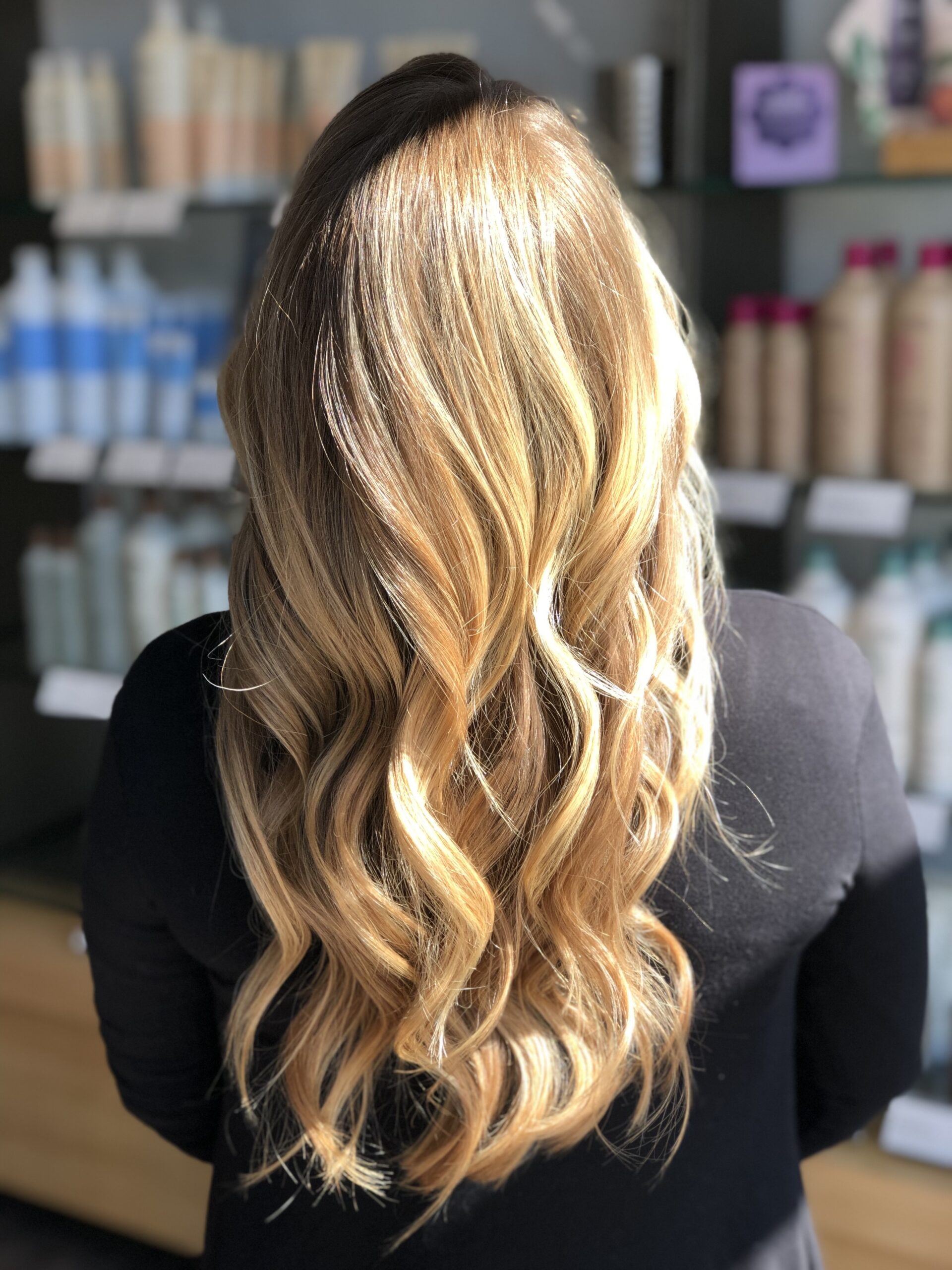
How to Keep Your Hair Color Fresh Between Salon Visits
Posted 1 day ago on - Aveda, Hair Care, How-tos, Salon
You leave the salon loving the tone, shine, and dimension of your color.
Then a few weeks pass and something starts to feel different.
Maybe your blonde looks warmer than it did on appointment day. Maybe your brunette no longer feels quite as rich. Your roots may be becoming more noticeable, or the color itself may still look good while your hair simply feels drier or less shiny.
It is easy to describe all of those changes as:
“My color is fading.”
But they are not necessarily the same problem—and they do not always need the same solution.
Keeping your hair color looking fresh between salon visits starts with understanding what actually changed.
First: What Does “My Color Doesn’t Look Fresh” Actually Mean?
Before changing your products or assuming you need another full color appointment, take a closer look at what you are noticing.
The color looks less vibrant
The overall shade may feel less rich or dimensional than it did immediately after your appointment.
That can happen gradually, which is why comparing your current hair with a photo from the day of your appointment can sometimes be helpful.
The tone looks different
Blonde may begin to appear warmer than you prefer. Brunette and dimensional color can shift in tone too.
That is different from your roots simply growing in.
If the brightness is still where you like it but the tone feels different, that is useful information to share with your stylist.
Your regrowth is becoming more visible
Sometimes the existing color still looks beautiful.
What has changed is the contrast between your natural root and the previously colored hair.
That may call for a very different conversation than color that has lost its tone or dimension.
Your hair looks dull
Dullness can make beautiful color appear less fresh even when the color placement itself is still working.
Dryness, buildup, styling habits, and the overall condition of the hair can all influence how much shine and dimension you see.
Your hair feels different
If the ends feel dry, rough, or harder to style, the issue may involve the condition of the hair as much as the color itself.
Those differences matter because the solution is not always “color it again.”
A Quick Color Check Before You Change Anything
Before reaching for another product or deciding what service you need next, ask yourself a few questions.
If your roots are showing:
Does the rest of your color still look the way you want it to?
If your hair looks warmer:
Has the tone changed, or does the overall color actually look lighter or darker?
If your hair looks dull:
Does it seem like a color problem, or does the hair simply need more shine and condition support?
If your hair feels dry:
Has your washing routine, heat styling, swimming, weather exposure, or product routine changed?
If the color looks uneven:
Is this something you should show your stylist before trying to correct it yourself?
The more specifically you can describe what changed, the easier it is to have a useful conversation about what your hair may need next.
Your Washing Routine Matters
One of the most practical places to start is your regular wash routine.
Aveda’s professional Color Conserve guidance recommends avoiding washing for 24–48 hours after a color service, limiting the number of weekly washes, using cooler water, and being mindful of styling-tool temperature. Q4 Aveda copy
That does not mean everyone needs the same exact wash schedule.
Your scalp, texture, density, activity level, styling habits, and other hair concerns still matter.
The goal is not to stretch wash day as long as possible. It is to avoid cleansing more often—or more aggressively—than your hair actually needs.
Pay Attention to Both Shampoo and Conditioner
Color-treated hair can have several needs at the same time.
You may want color support while also needing:
- moisture
- softness
- repair
- volume
- curl definition
- scalp support
That is why personalized product guidance can be more useful than simply buying anything labeled “for colored hair.”
If your current routine is working well and your color is holding the way you want it to, there may be no reason to rebuild everything.
If it is not, a better question to ask your stylist is:
What would you change first?
Protect Your Color During Styling Too
Hair-color care does not stop when you leave the shower.
Repeated heat styling can affect how the hair looks and feels, especially when it has already been lightened or chemically processed.
Instead of automatically restyling the entire head every morning:
- use thermal protection appropriate for your routine
- avoid automatically reaching for the highest tool temperature
- focus on the sections that actually need attention
- pay attention when your hair starts feeling drier or harder to manage
Aveda’s current professional Color Conserve guidance also includes cooler styling-tool temperatures as part of its color-care recommendations. Q4 Aveda copy
If only your face-framing pieces need a refresh, for example, there may be no reason to put the rest of your hair through another full round of heat styling.
Our morning hair routine guide goes deeper into deciding whether your hair actually needs a wash, a refresh, or just a few strategically restyled pieces.
Sun, Swimming, and Everyday Life Count Too
Your hair does not exist in a controlled environment.
Sun exposure, salt water, and chlorine are also included in Aveda’s professional color-care guidance. Q4 Aveda copy
So when your color or hair suddenly feels different, think about what changed around it too.
Have you been:
- swimming more often?
- spending more time outside?
- washing more frequently?
- traveling?
- styling with more heat?
- trying new products?
- changing your normal routine?
Sometimes understanding what changed in your habits makes the change in your hair easier to explain.
For more on seasonal concerns like swimming, sun exposure, humidity, dryness, and changes in routine, read our summer hair care guide.
Not Every Color Refresh Is the Same
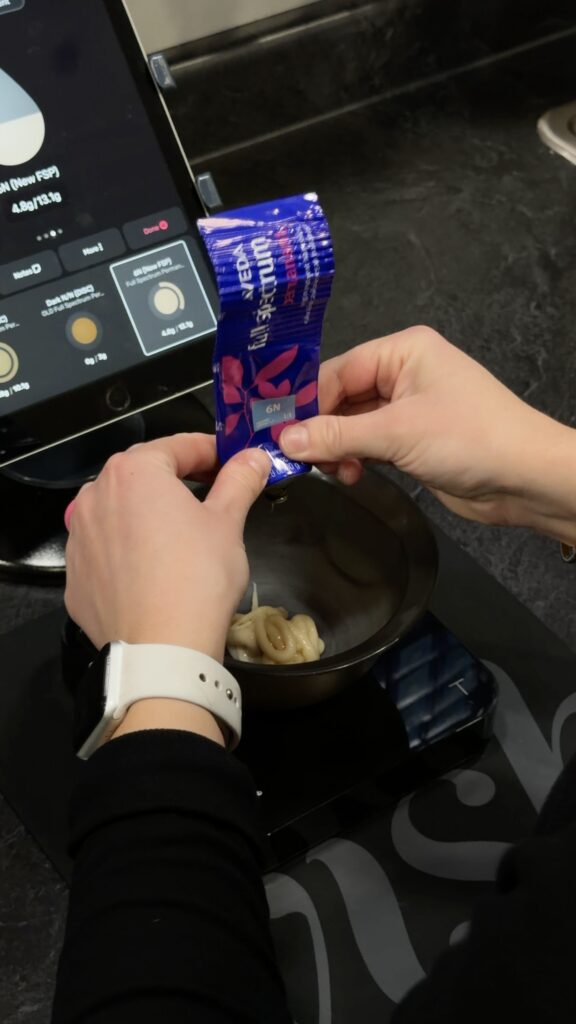
This is one of the most important things to understand between appointments:
Needing maintenance does not automatically mean repeating your entire previous service.
Depending on what has changed, the next conversation with your stylist may be about:
- your roots
- tone
- brightness around the face
- overall dimension
- hair condition
- shine
- home care
- or whether it is actually time for the larger color service again
For example, someone whose highlights still look beautiful but whose roots are becoming more noticeable has a different concern from someone whose preferred tone has shifted.
Both are different from someone whose color looks fine but whose ends now feel dry.
The most useful thing you can tell your stylist is what changed.
Not simply:
“I need my color done again.”
Where Color-Focused Home Care Can Fit
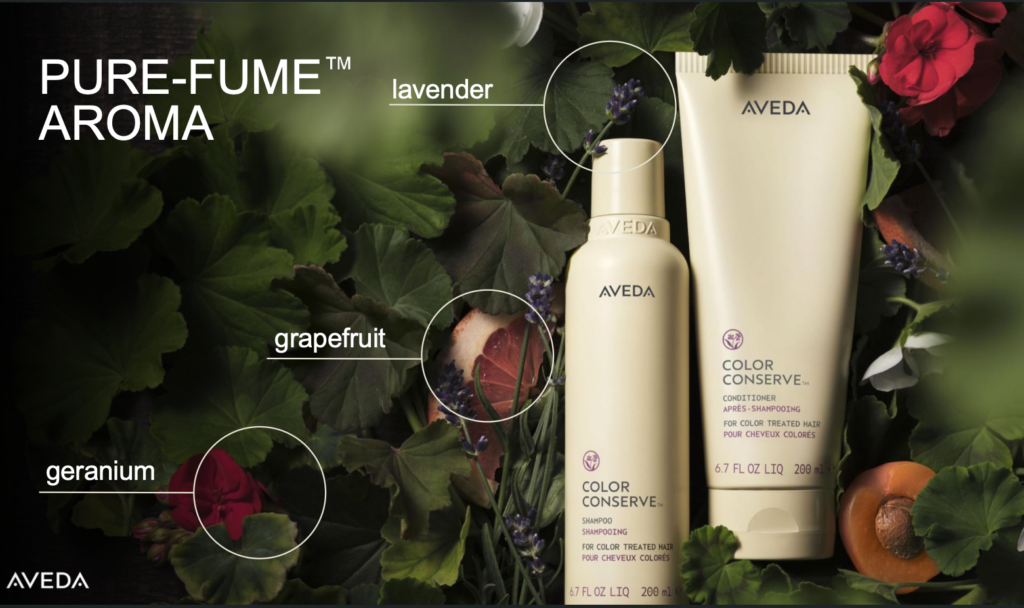
Home care is where Aveda Color Conserve can naturally become part of the conversation.
Aveda’s professional Q4 guidance describes Color Conserve Shampoo and Conditioner as specifically developed to work with Aveda Full Spectrum Hair Color. The system has been tested and validated with Aveda colorists and is positioned to provide up to eight weeks of color protection. Q4 Aveda copy
But even a color-focused system should still fit the person using it.
Aveda’s salon guidance begins with questions about the guest’s hair, primary concern, and what they are currently using to protect their color. Q4 Aveda copy
That distinction matters.
Your Hair Can Have More Than One Need
Color-treated hair is still individual hair.
It may need color protection while also needing moisture, repair, texture support, or something else.
That is why your routine does not necessarily have to solve every concern with one shampoo and conditioner forever.
The better question is not:
“What product should everyone with colored hair use?”
It is:
“What does my hair need right now?”
Your stylist can help you decide which part of your routine should stay consistent and where another type of care may make more sense.
When Home Care Has Done Its Job
Good home care is meant to support your salon result.
It is not meant to replace every professional service.
It may be time to talk with your stylist when:
- your regrowth is more visible than you prefer
- your tone has moved away from what you want
- your color appears uneven
- your hair condition has changed noticeably
- your dimensional color no longer feels balanced
- you are tempted to correct the color yourself
- you cannot tell whether you need a small refresh or a larger service
The goal is not to stretch every color appointment for as long as possible.
The goal is knowing what you can support at home—and what is better handled professionally.
What Should You Tell Your Stylist?

You do not need to know salon terminology.
Try describing what changed instead.
Instead of:
“My color is bad now.”
you might say:
“I still like the brightness, but it feels warmer than before.”
or:
“The lengths still look good to me, but my root is becoming more noticeable.”
or:
“The color looks okay, but my hair does not feel as shiny or soft.”
Photos can help too.
If you loved how your hair looked immediately after your appointment, save a photo of that result. Comparing what you liked then with what you see now can make the maintenance conversation much more specific.
And if your current color includes balayage or highlights, our Balayage vs. Highlights guide explains how brightness, placement, grow-out, hair history, upkeep, and budget can influence the plan from the beginning.
Hair Color Maintenance FAQs
How Long Should I Wait to Wash My Hair After a Color Appointment?
Aveda’s current professional Color Conserve guidance recommends avoiding washing for 24–48 hours after a color service. Your stylist may give you more specific advice based on your hair and service. Q4 Aveda copy
Should I Wash Color-Treated Hair as Little as Possible?
Not necessarily.
Your hair and scalp still need to feel comfortable and clean.
Texture, density, activity level, styling products, scalp needs, and your color can all influence what wash rhythm works best for you.
The goal is not to go as long as possible without washing.
Why Does My Hair Color Sometimes Look Warmer Between Appointments?
Tone can change over time, but several things may affect what you are seeing.
Before trying to correct it yourself, show your stylist what has changed—especially if you are unsure whether the concern is tone, fading, buildup, or something else.
Can Home Care Fix Visible Roots?
Home care can support your colored hair, but it cannot change new natural growth.
If regrowth is the part bothering you, that is a maintenance conversation to have with your stylist.
Do I Need the Same Color Service Every Time?
Not always.
Your next service depends on your current color, desired result, grow-out, hair history, condition, and what has changed since your previous visit.
Fresh Color Starts With a Realistic Plan
Beautiful color is not only about how it looks when you leave the salon.
It is also about understanding how to live with it afterward.
A realistic maintenance plan should help you understand:
- how to care for your hair at home
- what products actually serve a purpose
- what changes to watch between appointments
- and when it makes sense to bring your stylist back into the conversation
At Savoye, the goal is not to make your routine more complicated than it needs to be.
It is to help your salon result and your everyday routine work together.
Not sure what your color needs next?
REQUEST A COLOR APPOINTMENT